Listening
Strive to listen for both what a person is saying and what they’re trying to say.
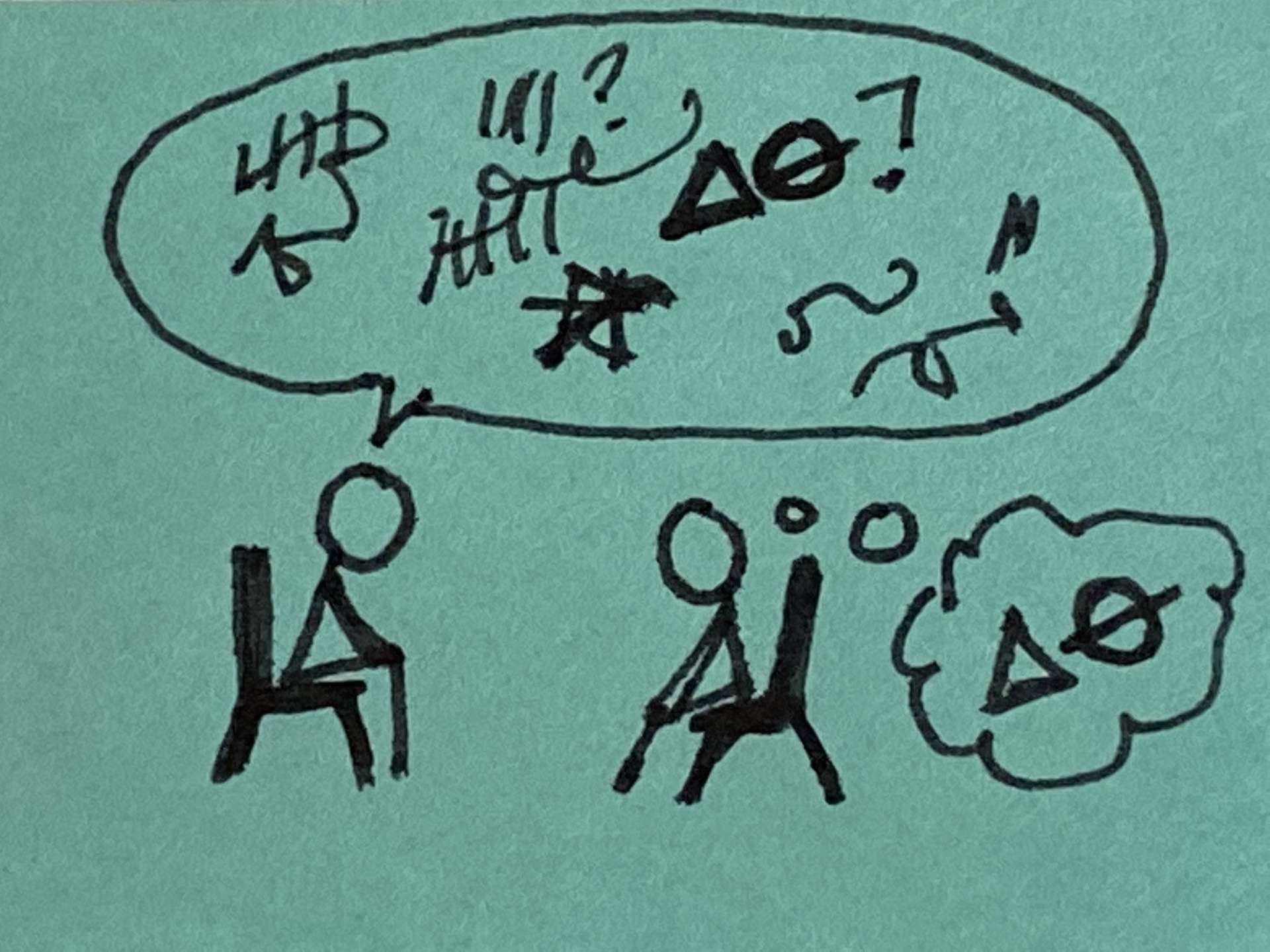
Dialogue is a process of both taking in information and expressing it.
Too often, what we call listening consists of waiting for our turn to talk, or looking for the flaws in what someone is saying so we can formulate an attack.
-
I’m assuming that listening is one component of Mindful Presence that is useful to pull out into it’s own pattern. Interestingly, there are different ideas about what people call “active listening” in that for some people, giving lots of encouraging noises and such is encouraged, while for others it’s discouraged.
-
People’s communication is often filled with noise, and it’s our job to listen for the signal, no matter how noisy the communication is. I considered calling this pattern “Listening for the Signal” but I decided not to because what is listening if not trying to hear the signal, what someone is actually saying? Terms like “active listening” and the like are all trying to get us to pay attention to the fact that what we often call listening is actually something else, something more like waiting our turn.
-
Listening includes maintaining a Mindful Presence, tuning into the emotional content of the speaker’s words and their body language, and actively trying to receive the signal they’re trying to convey, even if they’re not very good at expressing it: listening for the signal.
Therefore:
Take the time and effort required to really listen to others, not only to what they say, but also to what they’re trying to say: the signal amid all the noise.
To really listen, you need to temporarily suspend your judgement—Suspended Judgement, and quiet your mind—Mindful Presence